The foundations of Quakerism
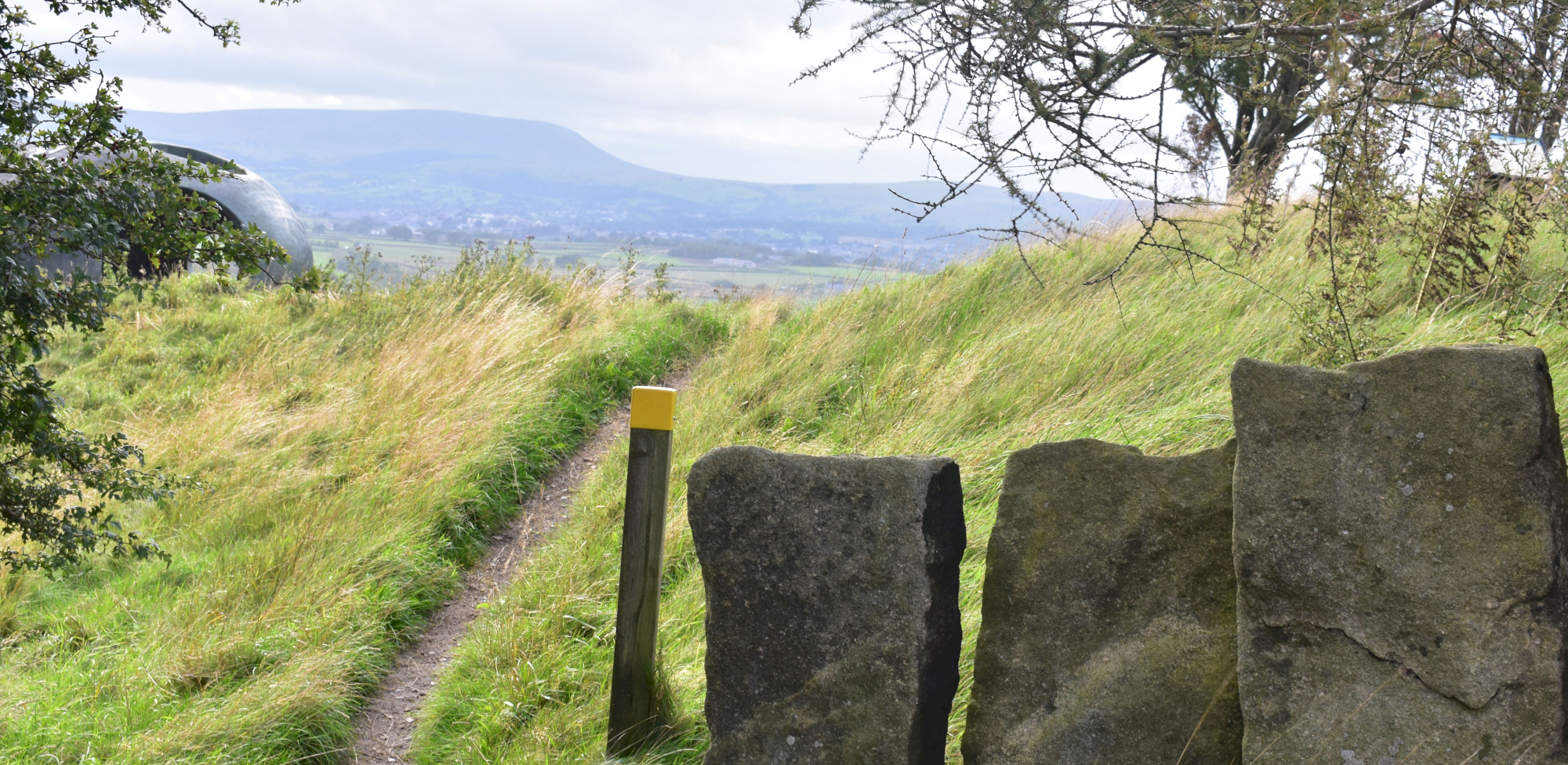
In 1652, George Fox, a wandering preacher from Fenny Drayton in Leicestershire, went to the top of Pendle Hill in Lancashire and began to preach of his belief that everyone could have a direct relationship with God and did not need the intervention of hierarchies, priests or buildings to facilitate it. Many people, especially in the north and west of England agreed with him grew into the Religious Society of Friends (known as Quakers because they were said to tremble at the word of God).
Until 1688 many were punished and imprisoned as was the fate (and often still is) of people who dissent. As a result many of them fled across the Atlantic in search of religious freedom.
Quakerism has spread from there to many parts of Africa and Latin America. There were schisms, political changes and the development of personal beliefs so the movement grew to what it is now. Famous Quakers include George Fox, Margaret Fell, William Penn and John Woolman but also Richard Nixon.
400 years of history cannot be summed up in so few words and we urge you to explore more using the links and documents available.
Quakers in Yorkshire
Early Quakers had a strong connection with north-west England. Throughout the 1640’s and 50’s, during the tumultuous period of the civil war, groups of radical Christians had been forming. They were often known as Seekers. George Fox travelled extensively in the area, meeting Seekers and other radical groups and holding meetings in barns and sometimes in the open such as on Firbank Fell near Sedbergh in June 1652.
George Fox climbed Pendle Hill in 1652 on one of his journeys and there had a vision of “a great people to be gathered”.
It is likely that George Fox travelled through Keighley although we have no precise evidence of this.
Once Quakers were established, they endured a period of persecution between their founding and the Act of Toleration in 1688. Thereafter they established themselves and their distinctive religious practice and way of life. As dissenters they were not permitted to attend university or join the professions. They were often farmers, millers and small business people such as apothecaries and grocers. During the industrial revolution of the late 18th and 19th centuries they owned many businesses.
Yorkshire has remained a key centre of Quakerism with the industrial and philanthropic work of the Rowntree’s of York, the foundation of the School of Peace Studies at Bradford and the Peace Museum at Saltaire. There are many historic Meeting Houses within easy reach of Keighley – for example Airton, Farfield, Skipton and Settle.

Learn more about how we are organised:
There are links in the blue section at the bottom of this page which tell you about how Quakers are organised.
There are several meetings locally and Keighley Quaker Meeting is linked with those in the Craven Area. Our shared website is here: Quakers in Craven and Keighley
Quakers are to be found throughout the world. There are large numbers in the United States and Canada, Latin America and Africa. Whilst the essence of Quakerism is based on the teaching of George Fox, Quakers worship in many ways throughout the world. You can find out more here: Quakers around the world
Our style of weddings and funerals are unique. We were the first faith group to recognise and celebrate same sex marriage. You can read more here about ceremonies: